Stingray Lab · Port of Burgas · European Union
Aluminium hull technology · proprietary method
A hull that is folded, not patched together
Stingray Lab · Port of Burgas · European Union

Aluminium hull technology · proprietary method
A hull that is folded, not patched together
The problem we set out to remove
A conventional aluminium shell is welded together from many pieces. Every seam puts heat into the plate. The plate moves as it cools. What follows is straightening, grinding, and a layer of fairing compound so the paint has something flat to sit on.
That compound is weight the vessel carries for the rest of its life, and a place where a defect can start. The hours spent making the shell straight again sit on the critical path of the whole programme.
None of this is bad workmanship. It is what the method costs.
ORIGAMI™ · Stingray Lab
The same hull, two ways to build it
Conventional aluminium
ORIGAMI™
ORIGAMI™ · Stingray Lab
The method
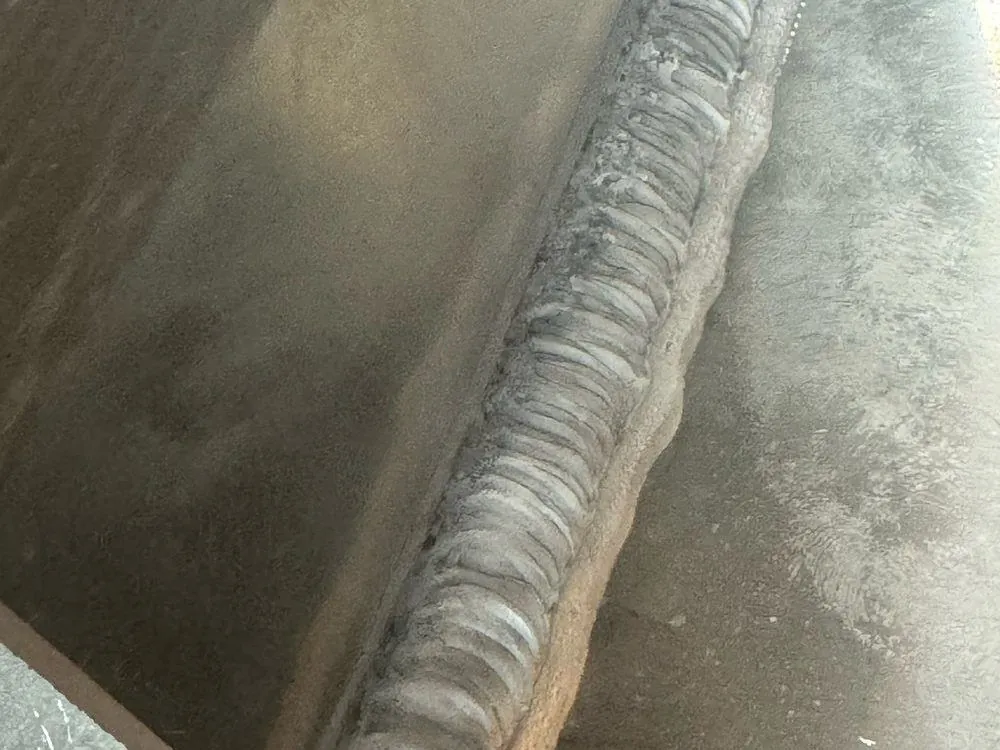
Flat plate is cut and bent along pre-calculated fold lines, so the geometry itself carries the form. What welding remains runs in straight lines and is done by friction stir welding — a solid-state joint made below melting point, which is why the shell comes off the jig fair.
Single-bend folds with no compound curvature. Total weld seam length does not exceed 25% of the developed length of the plating.
FSW runs along the straight seams. MIG and MAG are used only where the joint will never be seen.
Adhesive bonding can be used between frames and inner plating, keeping further heat out of the visible shell.
No seam is laid outside an approved procedure. Where a procedure does not exist for a joint, it is qualified first.
ORIGAMI™ · Stingray Lab
From the model to the plate
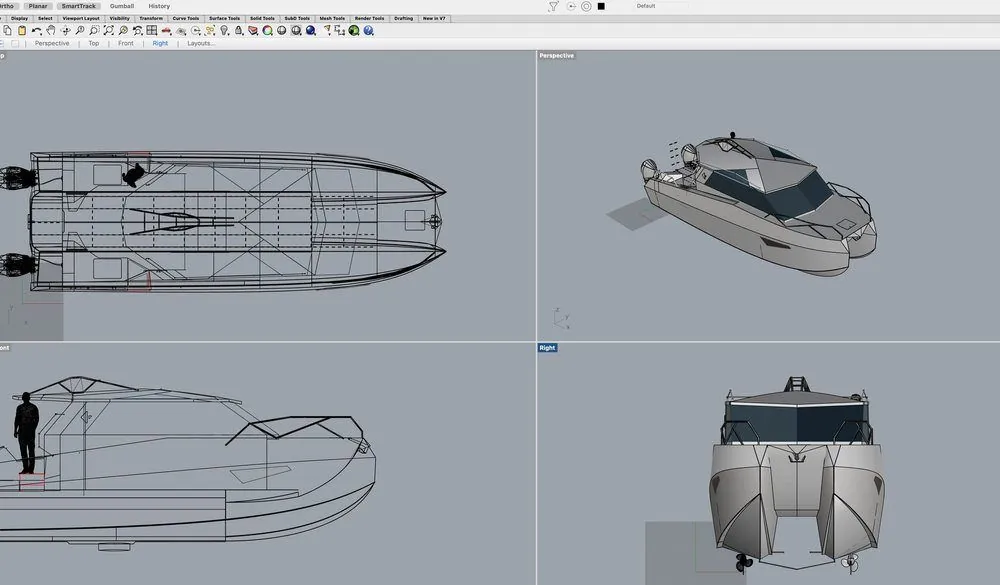
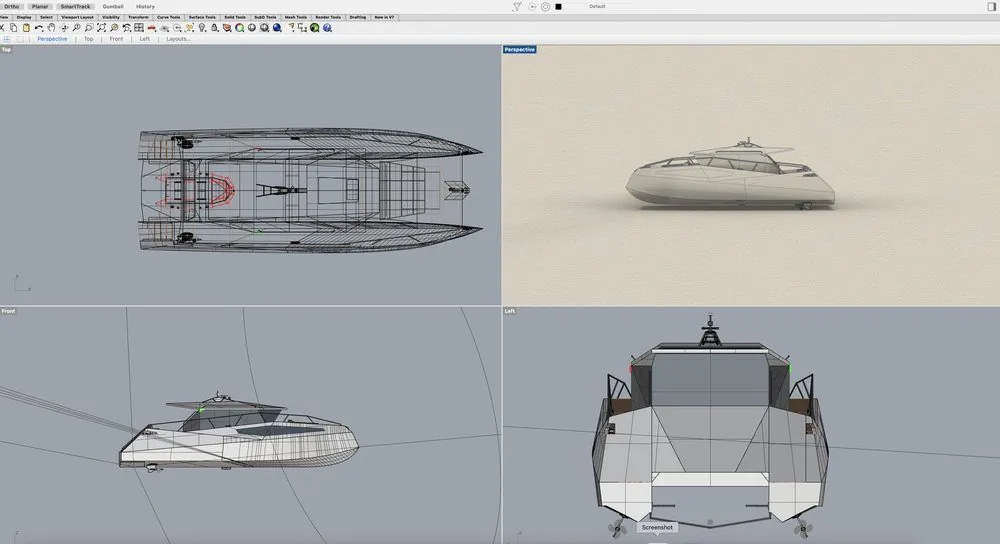
Every panel is developed flat before anything is cut, so the fold lines and the seam plan exist before the first plate is ordered.
The shaded model is what the fair shell has to match. Deviation is caught here, not on the jig.
ORIGAMI™ · Stingray Lab
In the shop
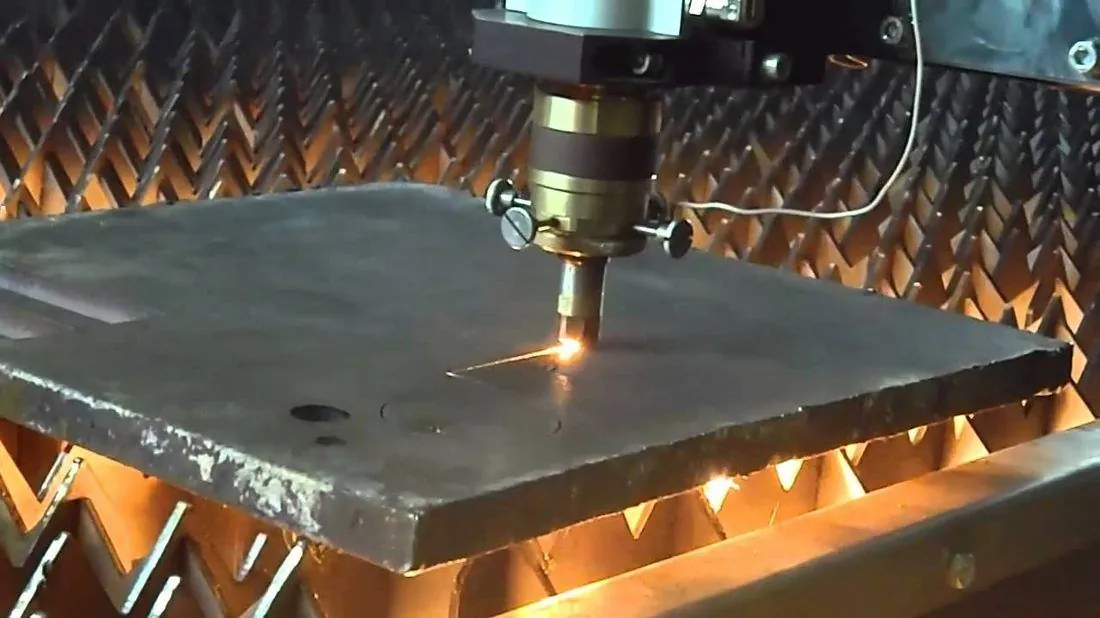
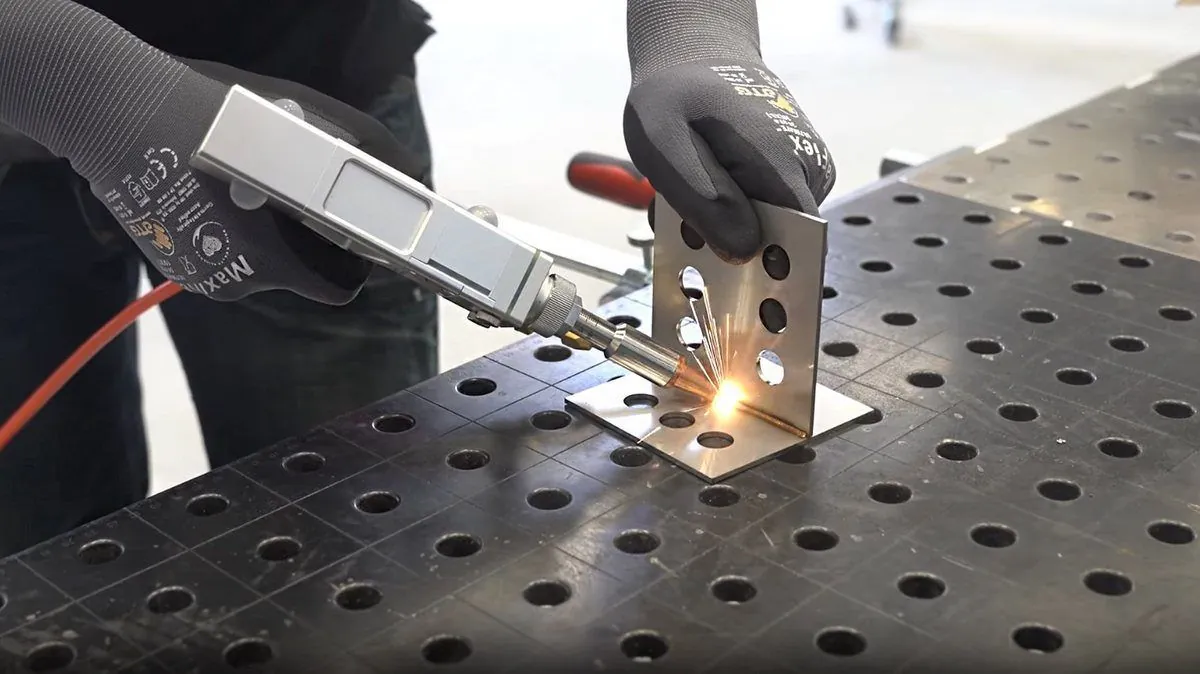
Plate is cut to the nesting file that came out of the fold development. Nothing is trimmed to fit on the floor.
The fixture table holds the geometry during welding. The shape is set by the jig and the folds, not recovered afterwards.
ORIGAMI™ · Stingray Lab
The numbers a yard checks
Aluminium is unforgiving in the arithmetic: plate thickness follows the shorter side of the panel, and welded strength is not the strength on the certificate. These are the figures the method is designed against.
Seam-length and thickness figures are ours; alloy and heat-affected-zone values follow ISO 12215-5 and the published mechanical data for 5083 and 5086.
ORIGAMI™ · Stingray Lab
What the method is worth
Figures are our own, measured on our own hulls, and are supplied with the calculation behind them on request.
ORIGAMI™ · Stingray Lab
What it changes downstream
The shell is fair enough to be coated or wrapped as it is. That removes a process, and with it the weight and the failure surface the process leaves behind.
No surface preparation stage between the shell and the paint. What is under the coating is aluminium, not filler.
A wrapped hull lets a brand change livery per boat, or per season, without a repaint and without the cost that implies.
Filler on a hull of this size runs into hundreds of kilogrammes, carried for the life of the vessel — and the shell underneath stays inspectable.
ORIGAMI™ · Stingray Lab
Where the method has been used
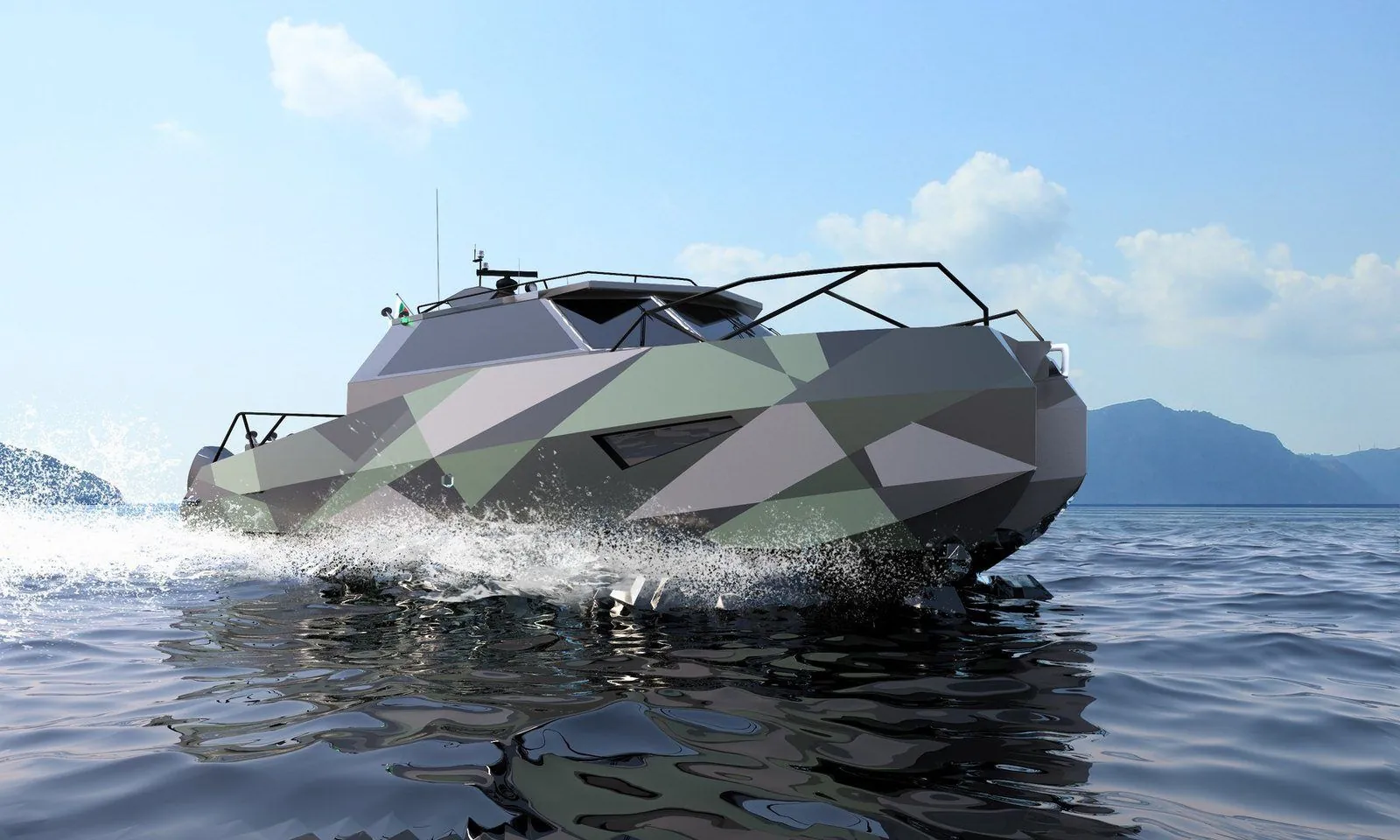
Fast power catamaran. The case where a fair, light shell is the whole point: hydrofoil-assisted, sharp entry, economical under way and light on the helm.
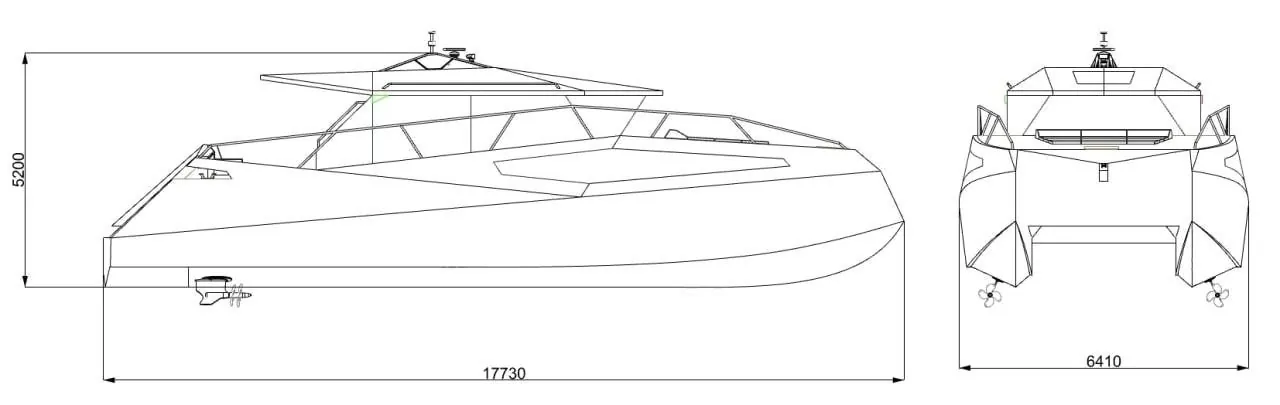
Efficient catamaran platform, built around shallow draft, large usable deck area and low operating cost. Taking weight out of the structure changes what the boat can do, not just what it weighs.
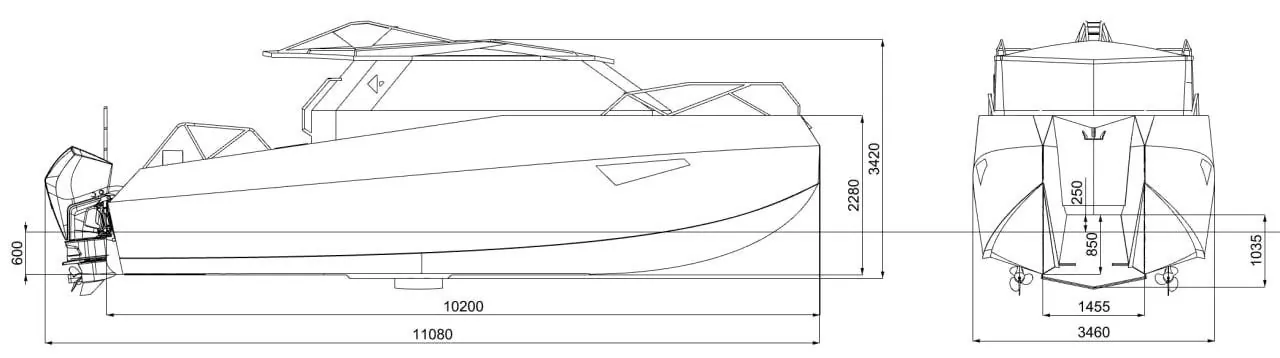
The smallest hull drawn for the method, and the hardest test of it: a welded aluminium catamaran on a trailerable beam, where every extra seam has to be earned back.
STINGFIN 6 figures are design values, not measurements; they are confirmed on hull no. 1. The full specification is on the STINGFIN 6 page.
ORIGAMI™ · Stingray Lab
Scale
The method is a way of developing plate, not a boat size. The fold pattern is recalculated for each hull; the process behind it does not change, which is why the same discipline covers a six-metre console and a thirty-metre wave-piercer.
Plate thickness, fold count and the jig. On a large hull the saving compounds: seam length grows with the square of size on a conventional shell, and the folded shell does not follow it.
Straight FSW seams, single-bend folds, no compound curvature, no fairing. A yard that has run the method once on a small hull has run it.
ORIGAMI™ · Stingray Lab
Protection
The integrated method — the fold geometry, the seam limit and the welding sequence — is protected as documented, registered work and held as production know-how, in English and Bulgarian.
A client receives exclusive use of the method for their own vessel, under mutual non-disclosure. We do not resell the same hull to the next brand.
The fold development, the seam plan, the welding sequence and the qualification file — enough for your own yard to build it, or for ours to build it for you.
ORIGAMI™ · Stingray Lab
Where it does not apply
A technology sold without its limits is a technology nobody has used. These are the ones we run into, and what we do about each.
A folded shell is developable. A hull whose styling depends on double-curved surfaces is the wrong hull for this method, and we will say so at the sketch stage.
A cambered panel carries more for the same plate. A faceted panel does not, so the weight budget has to be won back through scantling discipline rather than through curvature.
Friction stir welding wants a straight seam and access for the tool. Where neither is available the joint reverts to MIG, and it is placed where it will not be seen.
A one-off hull with no series behind it may not repay the fold development. Below that threshold we will price it honestly rather than sell the method into it.
ORIGAMI™ · Stingray Lab
Three ways to use it
We take your lines and return the fold pattern, the seam plan and the scantlings. Your yard builds it.
We develop and build the folded shell in Burgas and ship it to you for outfitting and delivery.
Shell, structure and outfitting under one contract, with independent inspection and the qualification file.
Next step: a mutual NDA, then one hull form on the table. We will tell you inside a week whether it folds.
sales@stingray-yachts.com · stingraylab.ai · Port of Burgas, Bulgaria, European Union
ORIGAMI™ · Stingray Lab